
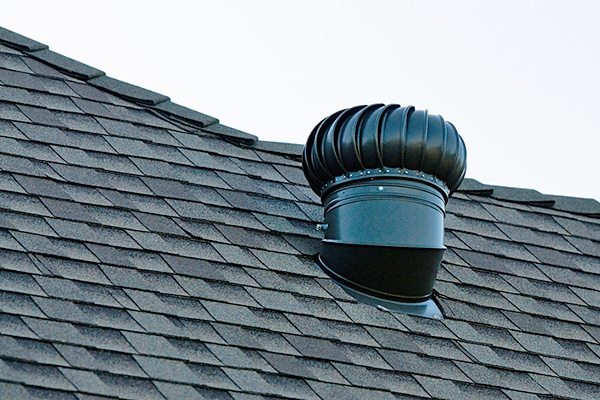
3 Common Myths About Attic Ventilation

The purpose of attic ventilation is to keep air circulating in order to maintain freshness and reduce moisture. However, this feature is one of the most misunderstood aspects of the home. Below you will find the three most common myths about attic ventilation.

The more ventilation, the better.

This is incorrect. The amount of ventilation you need will depend on the size of your home. Too little ventilation can cause moisture problems and lead to water damage during the winter and poor energy efficiency in the summer. Too much ventilation could expose your roof to the elements, making it vulnerable to leaks and weather damage. Experts say that for every 300 square feet of ceiling space, you should have one square foot of attic ventilation.

You don’t need attic ventilation if you live in a cold climate.

Many homeowners believe that the sole purpose of ventilation in the attic is to keep the house cool during the summer and increase energy efficiency. While this is one benefit of having roof vents, it is not the only one. In fact, attic ventilation is arguably more important during the winter than during the hot summer months. Preventing moisture from entering the home and avoiding water damage is one of the greatest benefits of attic ventilation, and this is much more of a problem in colder climates.

Roof vents will let out all the warm air during the winter.

Because heat rises, many people assume that attic vents release the warm air that rises from the bottom of the house to the top. If this is happening in your home, then you have an even bigger problem with your insulation because your HVAC system should not be heating your attic. With proper insulation, the warm air will not rise into the attic; rather your attic will be heated by the sun beating down on the roof.

A roof service should inspect your roof at least once or twice a year. Use this opportunity to discuss attic ventilation with roofing experts. Attic ventilation works with all roof types, including flat roofs, shingled roofs, and slate roofs.

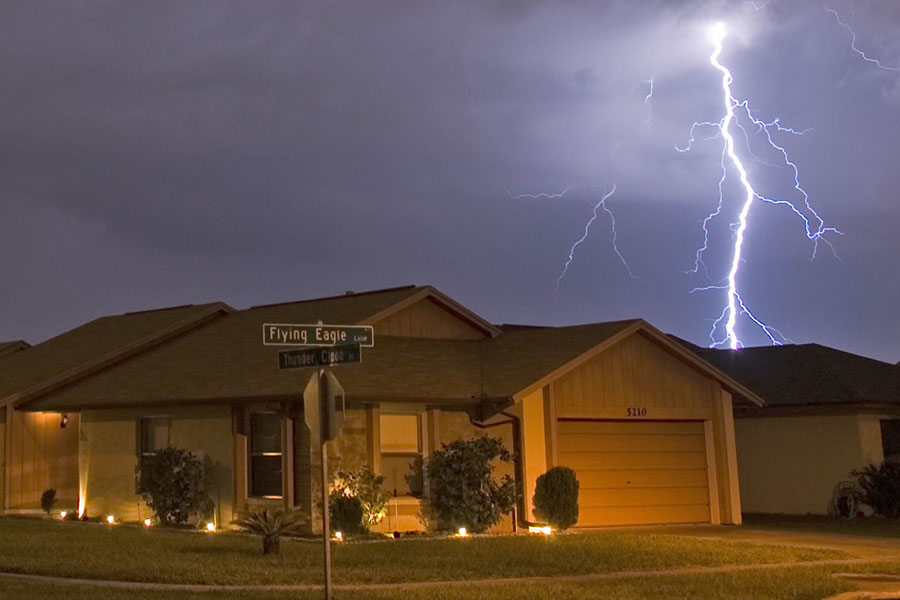
Lightning Strike During Storm Near Homes

The Invisible Threat: Why You Should Inspect for Storm Damage Even if Your Roof Looks Fine

Minor structural compromises and often hide in plain sight, and the storm damage quietly worsens until it becomes a major financial headaches.

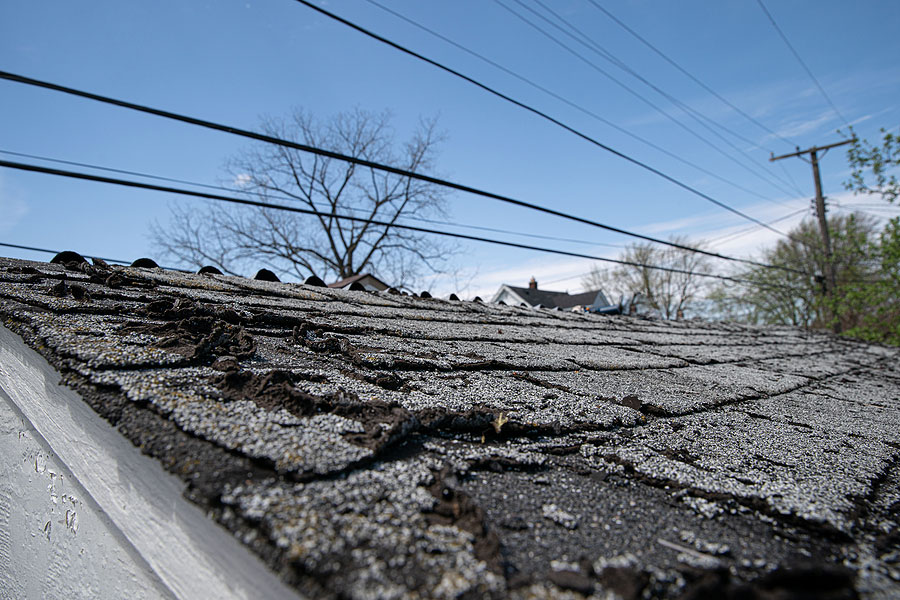
Home Roof with Damaged Asphalt Shingles in need of Replacement

How a Roofing Contractor Helps Protect Your Home From Water Damage

When it comes to keeping a house in good shape, a roofer’s most important job is protecting the structure from water damage.

Row houses with flat roofs in Adams Morgan neighborhood of Washington, DC

Common Maintenance Tips for Residential Flat Roofing Systems

Flat roofs give a house a great modern look and help save on space, but they aren’t exactly “set it and forget it” systems.

Leaking Broken Gutters

4 Signs Your Gutters Need Immediate Attention

Recognizing early warning signs can help homeowners take action before minor concerns turn into major repairs.

Damaged Roofing Shingle

Shingle Repair Checklist: What Roofers Inspect on Every Job

Understanding what professional roofers inspect during a shingle repair job can help ease concerns and provide valuable insight.

Home with New Gutters Installed

3 Essential Gutter Installation Steps For Longevity

A well-planned gutter installation supports long-term performance, especially during heavy rainfall and seasonal storms.

Ridge Cap Vent Installed on Asphalt Shingle Roof

Hidden Problems a Home Roof Inspection Can Reveal

Scheduling a routine home roof inspection is one of the most effective ways to protect long-term investment value.

Ice on Roof and Gutters

Three Gutter Mistakes Costing You Money

When gutters fail, water can back up under shingles, soak fascia boards, and place constant moisture stress on roof edges.

Roof with a Missing Shingle

3 Warning Signs Your Roof Needs Replacement

The tricky part is knowing when a simple repair is enough and when you’re dealing with a roof in need of replacement.

Roofers Working on Asphalt Shingle Roof

The Lifespan of Home Roofs: What Homeowners Should Know

Understanding the lifespan of your roof and regular maintenance requirements is crucial for determining when you may need a new roof.

Video Demonstration

Check out this cool high speed video of a roof replacement courtesy of our awesome customer.
View Larger >

Shingle Visualizer


Browse an extensive variety of shingle styles and colors with this interactive shingle visualizer.
Browse >