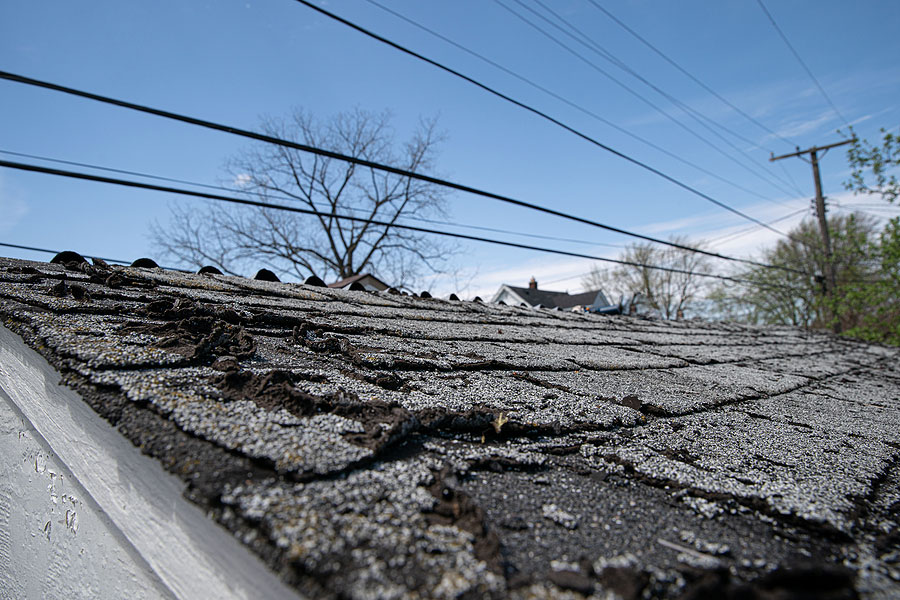

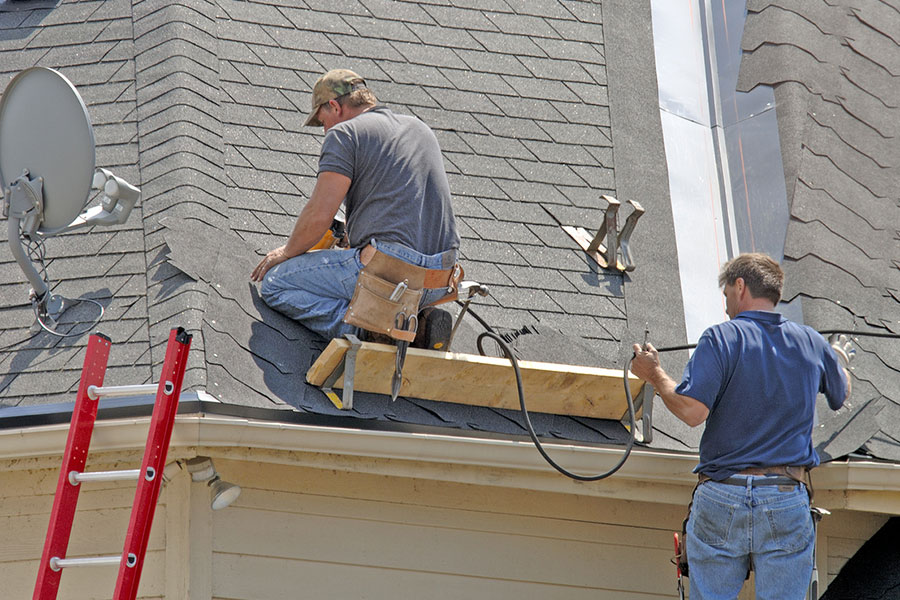
For most homeowners, the roof is one of the most significant investments in their property. Acting as the first line of defense against the elements, roofs endure all types of weather conditions over the years. Understanding the lifespan of your roof and regular maintenance requirements is crucial for determining when you may need a new roof and for keeping your home protected and enduringly valuable. A well-maintained roof also supports energy efficiency, helps prevent interior damage, and contributes to overall structural stability. Because roofing issues are not always immediately visible, problems can develop quietly if inspections are delayed.
Understanding the Material
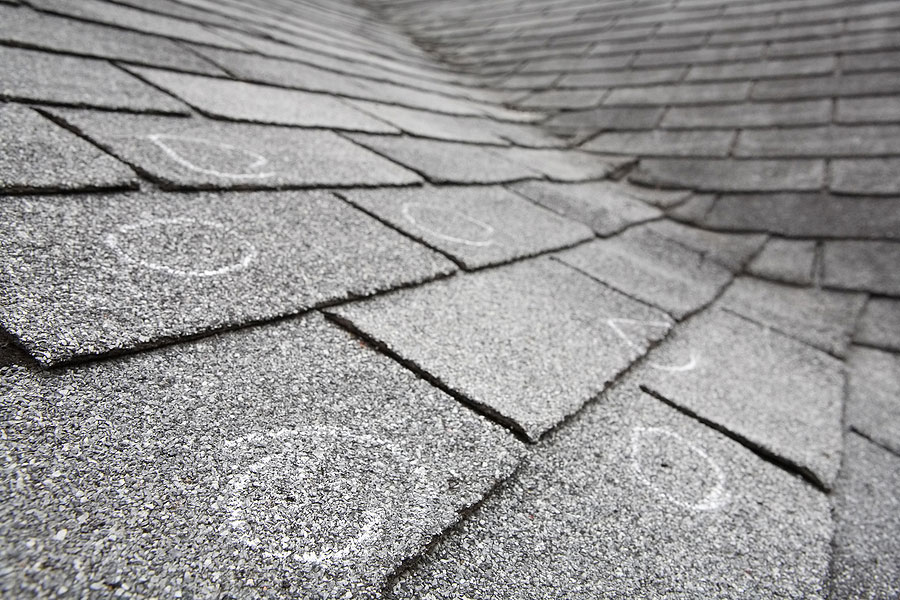
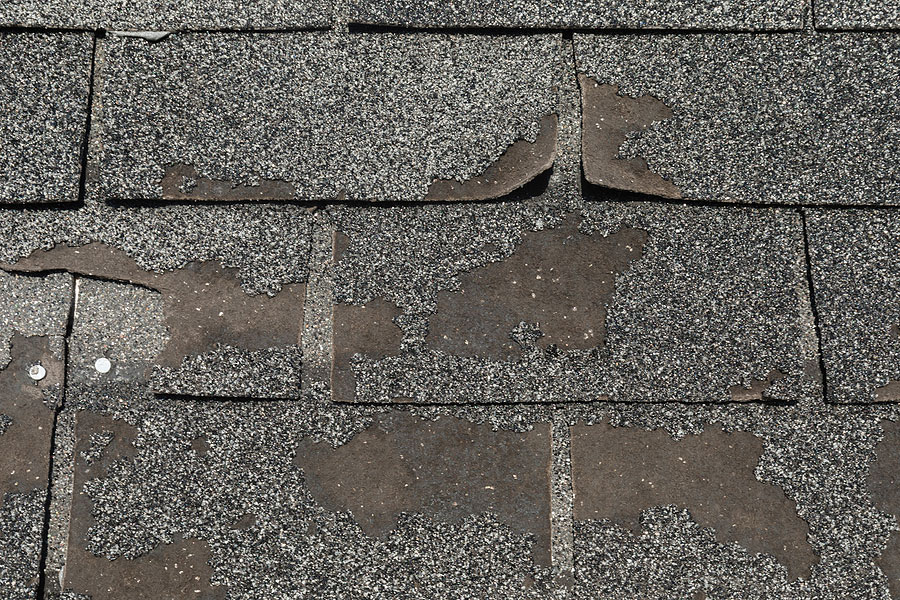
The lifespan of a roof can vary depending on the materials used. Asphalt shingles are among the most common choices for residential roofing due to their balance of appearance and practicality. Other materials, such as tile roofing, are known for their durability and long-term performance, though they often come with different cost and installation considerations. Material choice also affects maintenance needs, resistance to weather exposure, and how the roof performs over time.
Maintaining the Performance
Regular maintenance plays a vital role in extending the life of your roof. According to Bob Vila, a trusted home improvement advice platform, properly maintained systems typically last around 25 years. Simple actions, such as cleaning gutters, inspecting for damage after storms, and promptly repairing leaks, can prevent minor issues from escalating into major repairs or premature roof replacement.
Considering the Durability
Regional climate also impacts your roof’s lifespan. Homes in areas with harsh weather conditions, such as heavy snow, intense sun, or frequent storms, may experience a faster decline in roof integrity. Opting for materials that are specifically designed to withstand the prevalent weather conditions in your area can be a wise choice, potentially prolonging your roof’s durability and performance.
While the average lifespan of a roof is influenced by material choice, maintenance routines, and regional climate, understanding these factors can help you optimize the longevity of your investment. Consider regular inspections and maintenance as necessary steps to protect your home and confirm that your roof provides the reliable protection you expect. Staying informed and proactive can ultimately save you money and extend the life of your roofing system. By learning how long different roofing materials typically last and what maintenance they require, homeowners can better recognize when they need a new roof and plan ahead to avoid unexpected repairs. For a consultation on a new roof for your home, contact ROOFWORKS for a free estimate.