
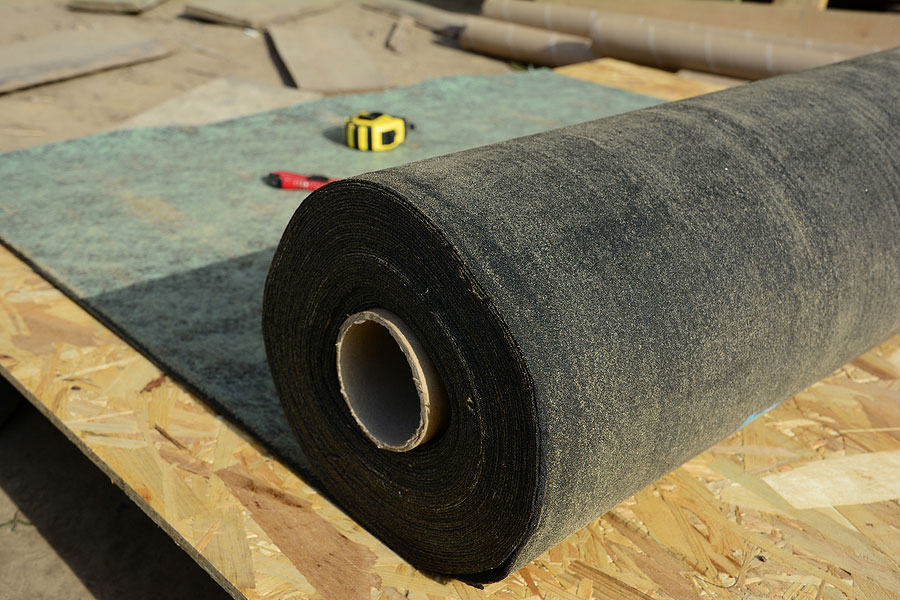
A roofing system is made up of several layers, and each one plays an important role in protecting your home. While shingles are the most visible part of a roof, roofing underlayment sits underneath them and provides an added layer of defense. Understanding what underlayment does can help homeowners see why proper roof installation is so important.
What Is Roofing Underlayment?
Roofing underlayment is a protective material installed directly over the roof deck before shingles or other roofing materials are added. It acts as a secondary barrier between the roof structure and the elements.
Common types of underlayment include asphalt-saturated felt, synthetic materials, and rubberized asphalt. Each option has different performance characteristics, but the main purpose is to help reduce the chance of moisture reaching the roof deck.
How Does Underlayment Protect Against Moisture?
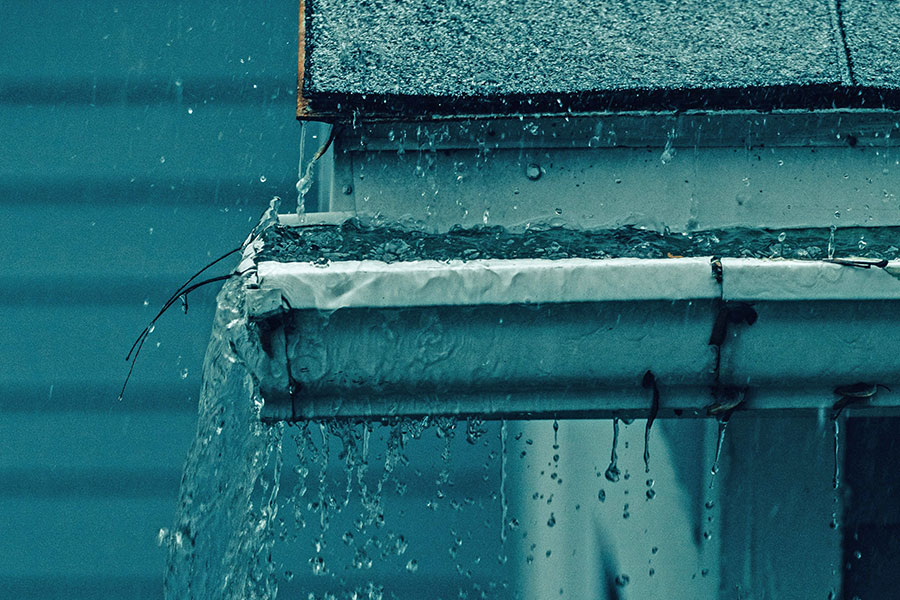
Rain, melting snow, and wind-driven water can sometimes work their way beneath shingles. Roofing underlayment helps prevent that moisture from reaching the wood decking below.
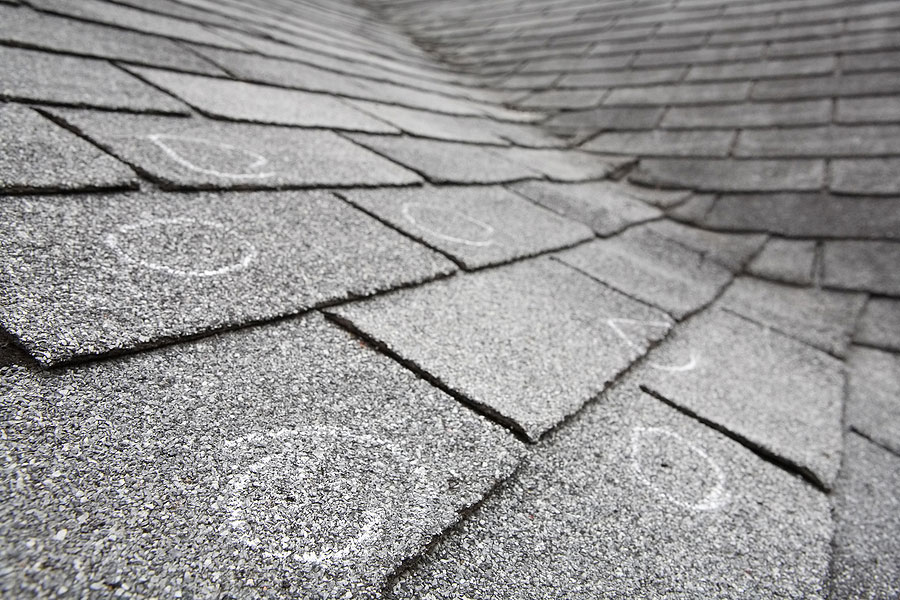
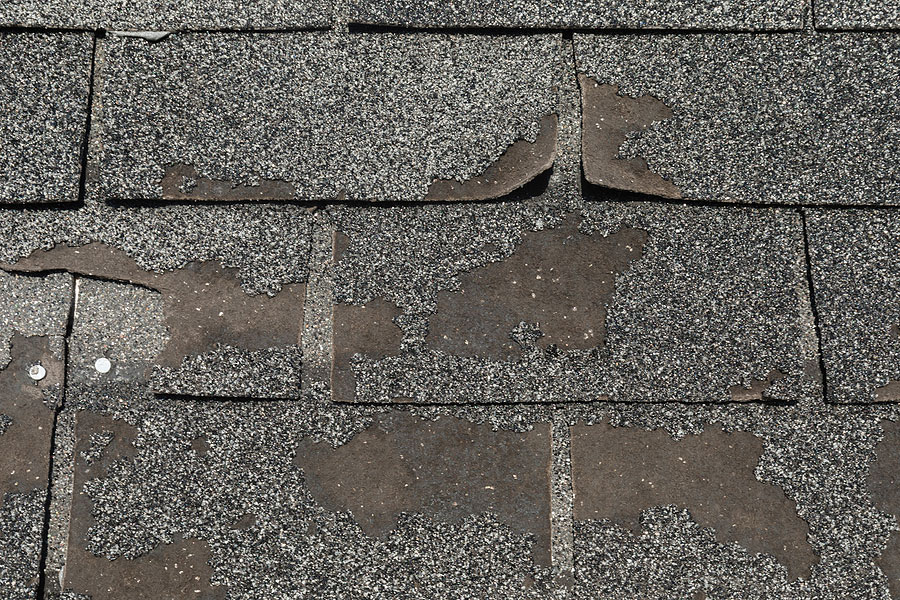
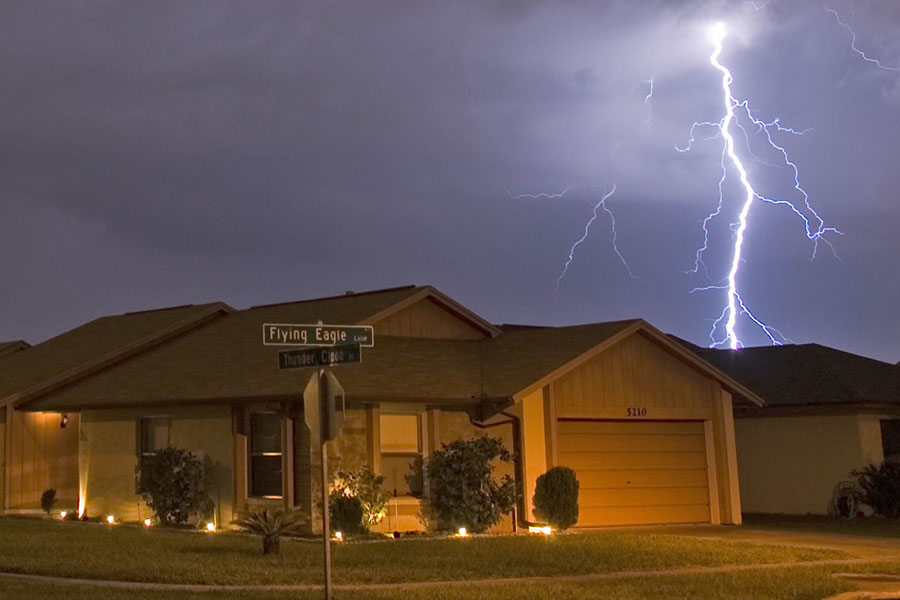
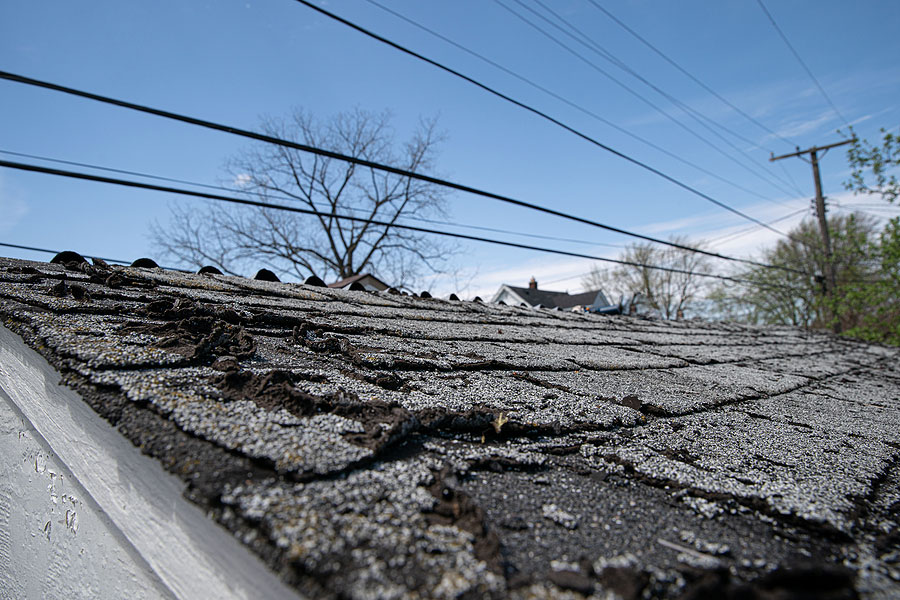
This added protection can be especially important if shingles become loose, cracked, or damaged during severe weather. The underlayment may provide temporary protection until repairs can be completed, helping reduce the risk of leaks and water damage inside the home.
Does Underlayment Affect Energy Efficiency?
The overall condition of a roofing system can also affect how comfortable and energy-efficient a home feels. According to Nexus Energy Solutions, 25% of heat loss in homes is because of the roof, making it a significant source of energy inefficiency.
While underlayment is not insulation, it is still part of a complete roofing system. Proper installation of roofing materials, ventilation, insulation, and protective layers all work together to support better performance throughout the year.
Why Proper Installation Matters
Roofing underlayment must be installed correctly to perform as intended. Gaps, poor fastening, improper overlaps, or damaged material can create weak points where moisture may enter.
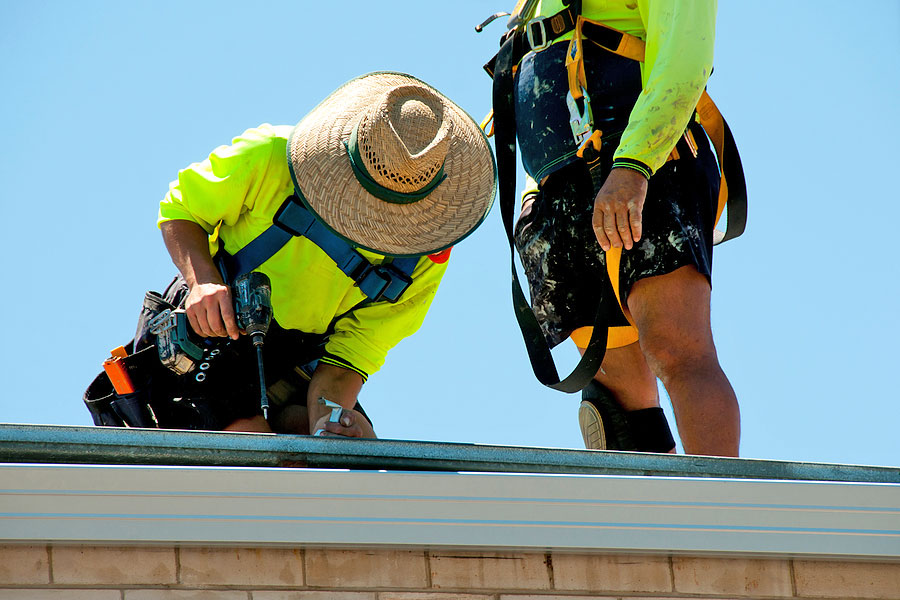
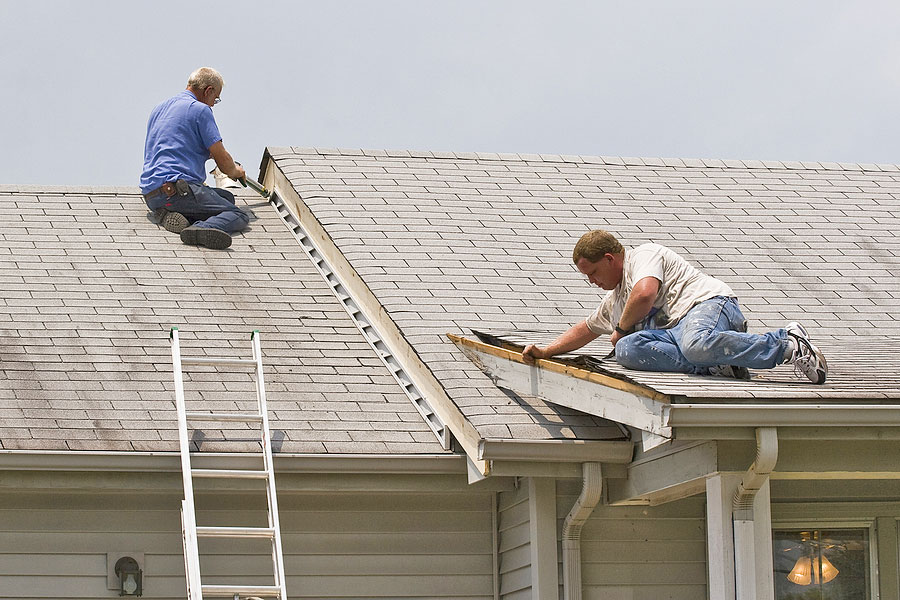
A professional roof contractor can select the appropriate underlayment for the roofing system and install it according to manufacturer and industry requirements.
Give Your Roof the Protection It Needs
Roofing underlayment may not be visible once installation is complete, but it remains an important part of your roof’s defense against moisture and weather. Quality materials and proper installation can help protect the roof deck and support the long-term performance of the entire system.
If you are planning a roof replacement or have questions about the condition of your current roof, contact ROOFWORKS. Our team can help you better understand your roofing options and provide professional service designed to protect your home.