

Roofing repairs can be a daunting task for many homeowners, especially when it comes to understanding how they are measured and priced. Whether you are considering a full replacement or smaller repairs, knowing how professional roofers assess and charge for their work is crucial. This knowledge not only helps in planning your budget but also enables you to communicate effectively with contractors. Let’s delve into the specifics of how roofing repairs are measured and what factors influence the cost.
The Unit of Measurement: Roofing Squares
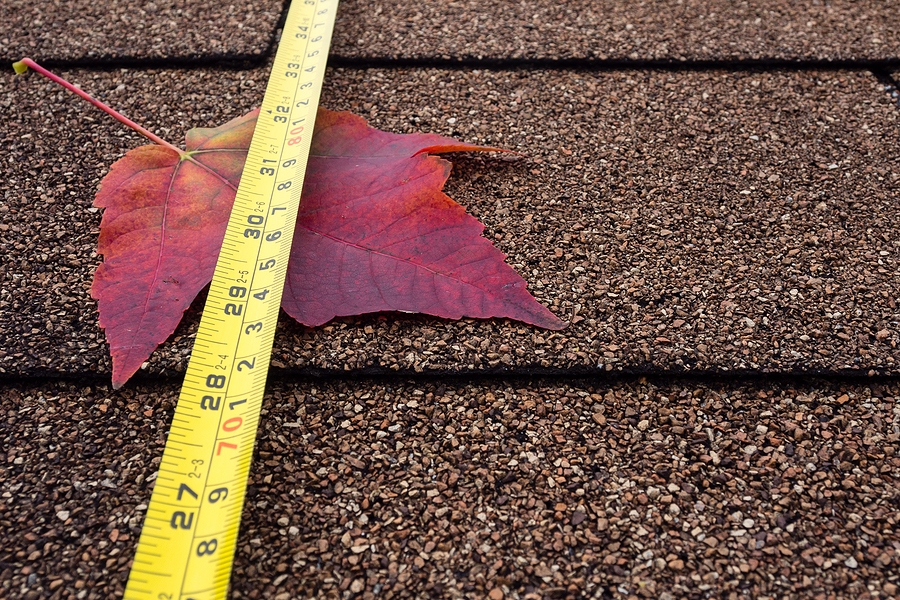
The primary unit of measurement in the roofing industry is the “square.” A square refers to a 10-foot by 10-foot patch of roof, or 100 square feet. When roofers talk about the number of squares, they are referring to these sections. Understanding this unit simplifies the process of estimating both materials and labor for roofing repairs. For example, an average 2200-to-2600-square-foot home typically requires around 22 to 26 squares for repair or replacement, depending on the area of damage.
Estimating the Cost of Roofing Repairs
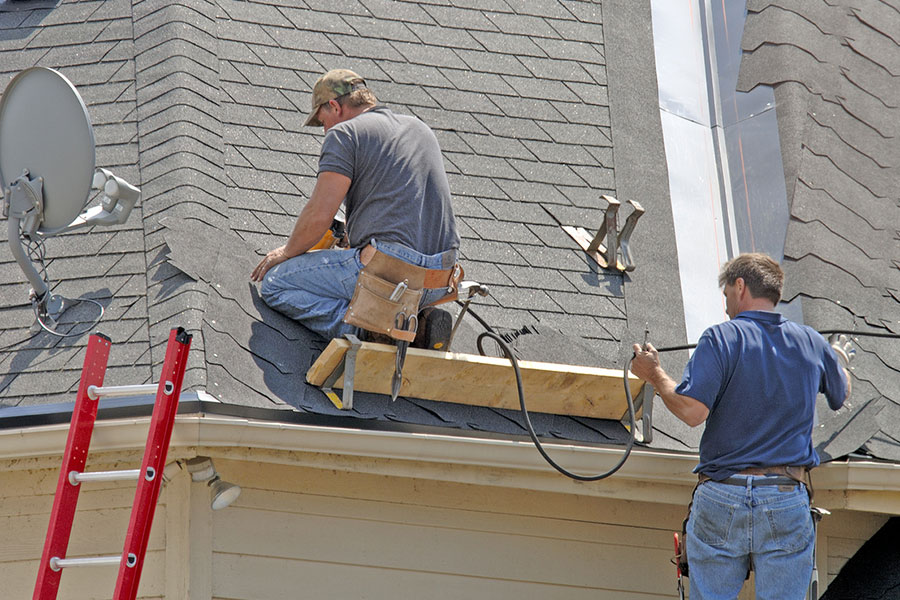
Understanding the cost associated with roofing squares is essential when planning for repairs. DIY roofing repairs can cost anywhere from $1,000 to $4,000 for a full roof replacement. However, professional roofing repairs or replacements typically range from $2,000 to $8,500, according to Angi. The cost difference is primarily due to labor, as professional roofers bring expertise and tools to ensure the job is done correctly. These estimates also cover materials like shingles, underlayment, and flashing, which are necessary for a long-lasting roof.
Material Types and Their Impact on Roofing Repairs
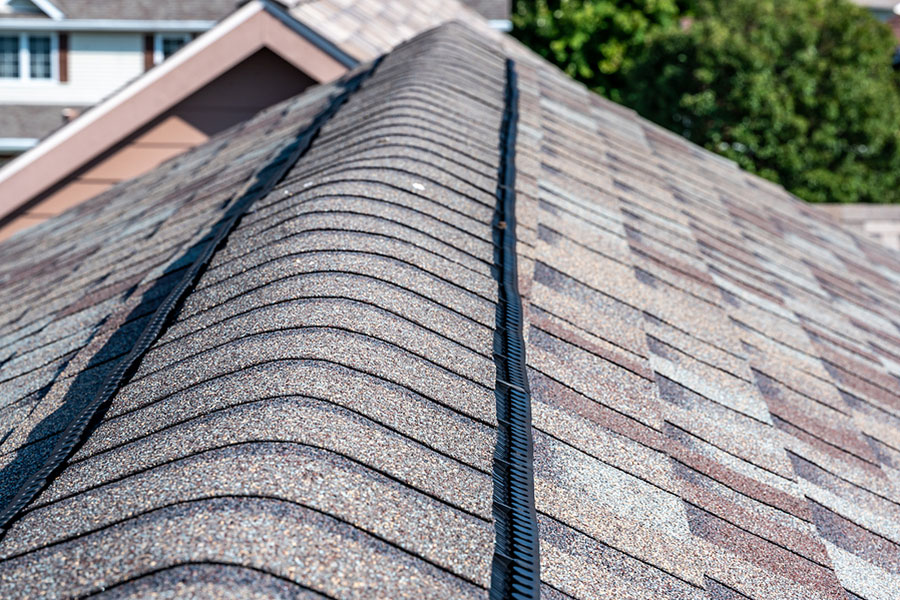
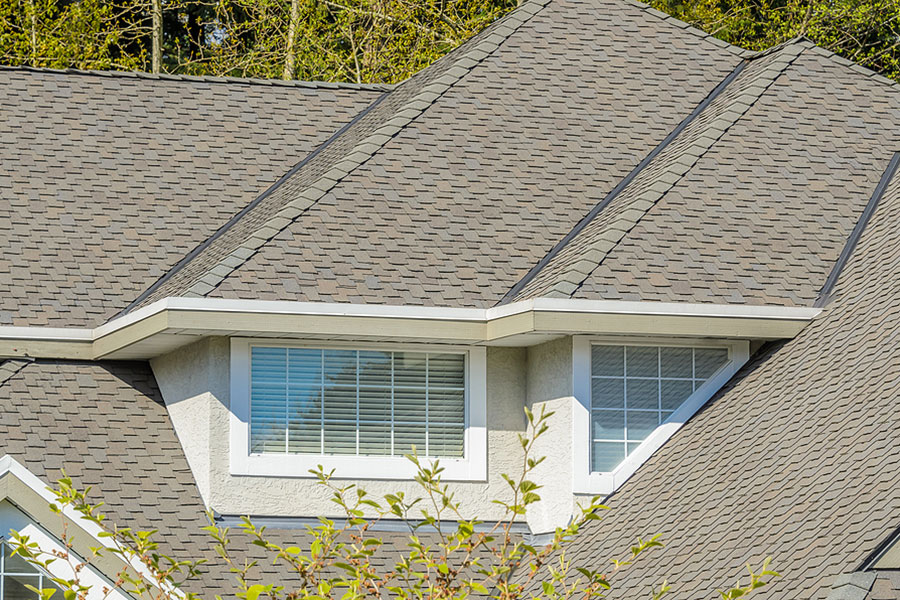
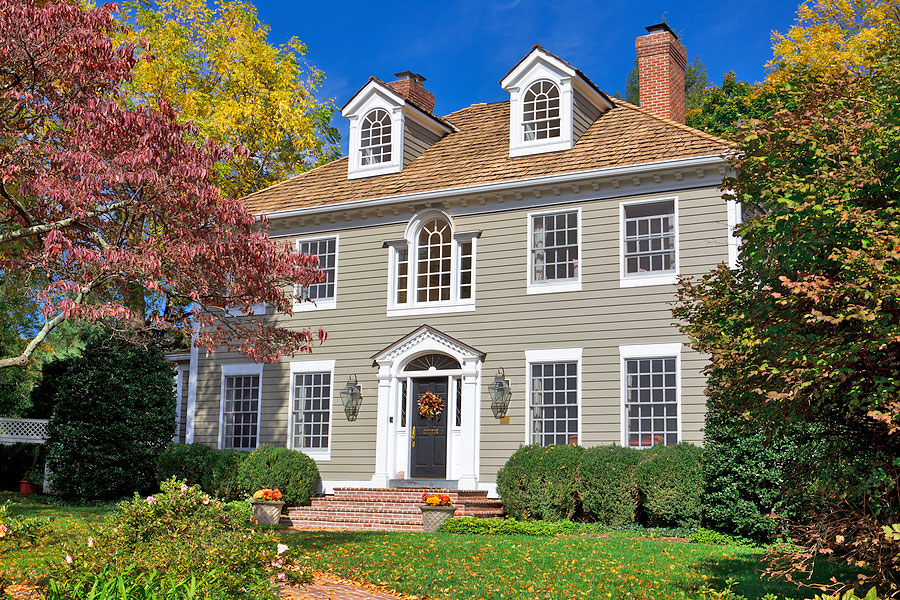
One significant factor that affects the cost of roofing repairs is the type of material used. Asphalt shingles are among the most affordable and easiest to install, making them a popular choice. On the other hand, materials like slate or metal can significantly increase the cost due to their durability and installation complexity. Additionally, the design of the roof, including features like dormers, skylights, and steep pitches, will influence the total number of squares needed and increase the overall cost of repairs. Professional roofers account for these complexities in their estimates, ensuring a comprehensive evaluation.
Understanding how roofing repairs are measured can simplify the process of budgeting and planning for this essential home maintenance task. The use of squares as a unit of measurement allows for straightforward calculations of both material and labor costs. When you’re hiring a professional, being informed about the various factors, including material types and roof complexity, will help you make the best decision for your home and your budget. Get in touch with our team at ROOFWORKS to get a free estimate.