
A roof protects the entire structure of a home, yet many issues remain hidden until damage becomes visible inside the property. Weather exposure, seasonal temperature changes, and natural aging can weaken roofing materials over time. A proactive approach helps homeowners identify concerns early and avoid unexpected repair costs. Scheduling a routine home roof inspection is one of the most effective ways to protect long-term investment value.
Discovering Water Intrusion
Water damage is one of the most common problems identified during an inspection. Small leaks can develop around flashing, vents, skylights, or aging shingles. These entry points may not be noticeable from the ground, but moisture can slowly spread beneath the surface. Over time, this can lead to stained ceilings, structural deterioration, or mold growth.
According to Allstate, your roof should be inspected at least once a year. This recommendation helps homeowners detect early warning signs before they escalate. Annual evaluations reduce the likelihood of costly interior repairs and support overall roof performance. Consistent monitoring also strengthens protection during heavy rain or seasonal storms.
Detecting Structural Wear
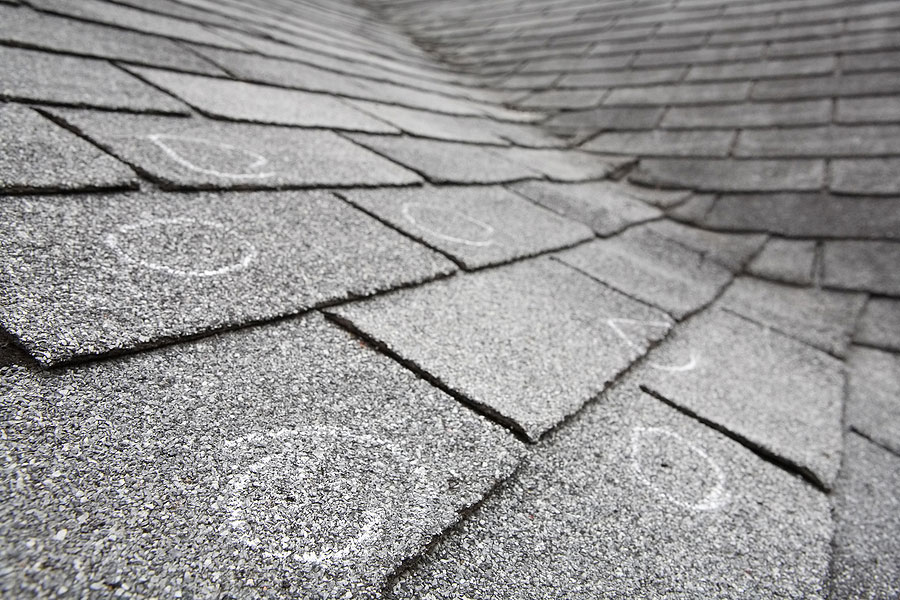
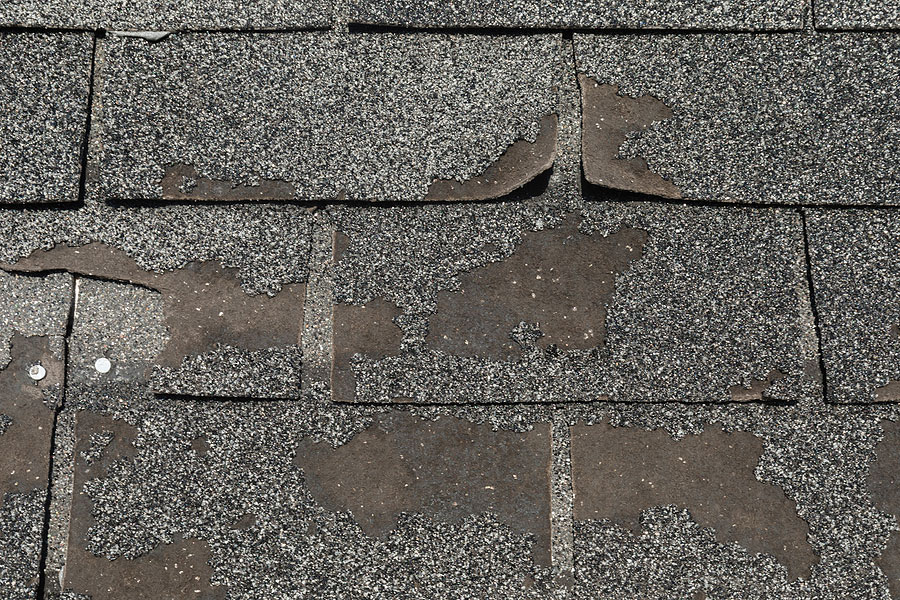
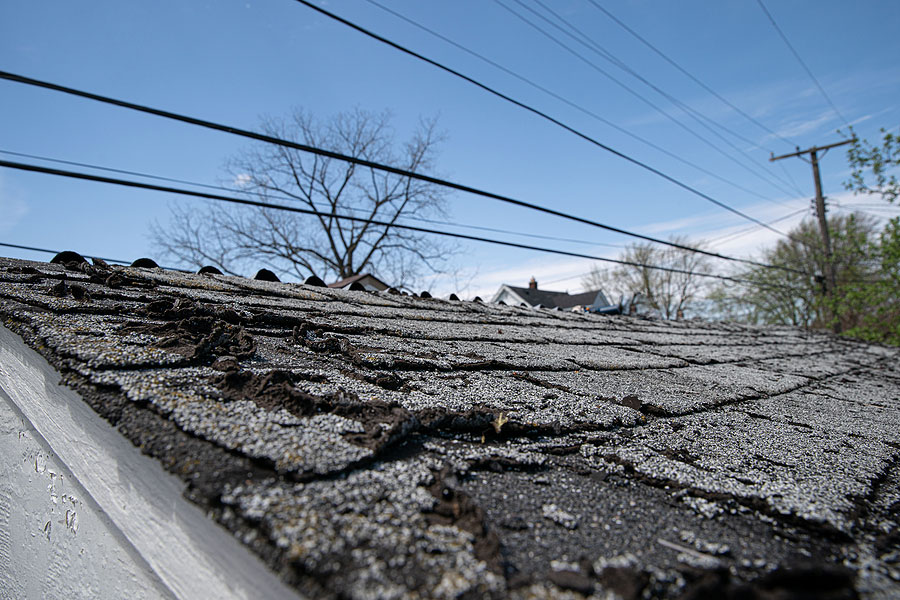
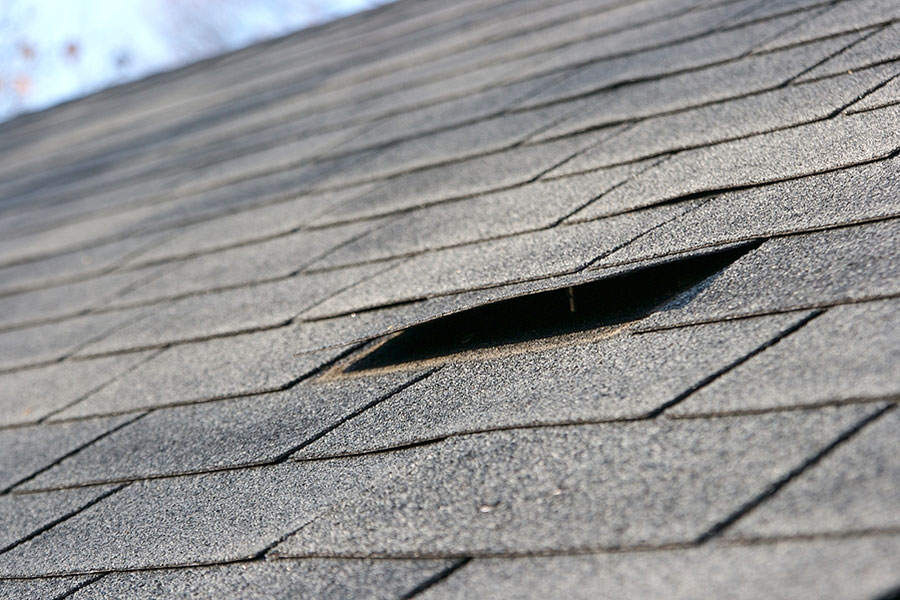
Roof materials naturally weaken due to sun exposure, wind, and precipitation. Shingles may crack, curl, or loosen, creating vulnerable areas across the surface. A home roof inspection can reveal soft spots, sagging sections, or compromised underlayment that are not visible during casual observation. Identifying these concerns early allows for timely maintenance.
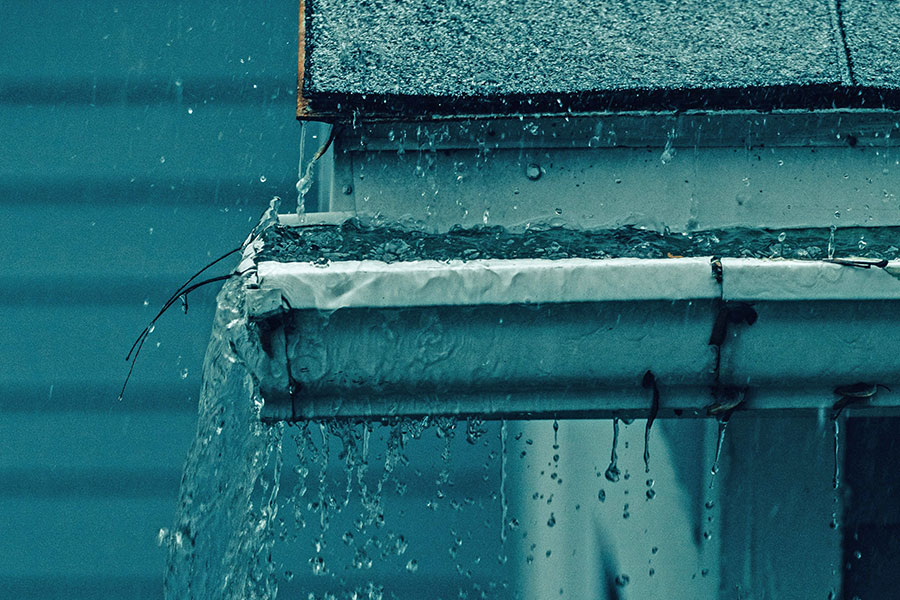
Structural wear can also impact drainage patterns. When materials shift or deteriorate, water may not flow properly toward gutters. Addressing these issues promptly helps maintain the integrity of both the roof system and supporting components. Preventive care extends the lifespan of roofing materials and improves overall durability.
Checking Ventilation and Efficiency
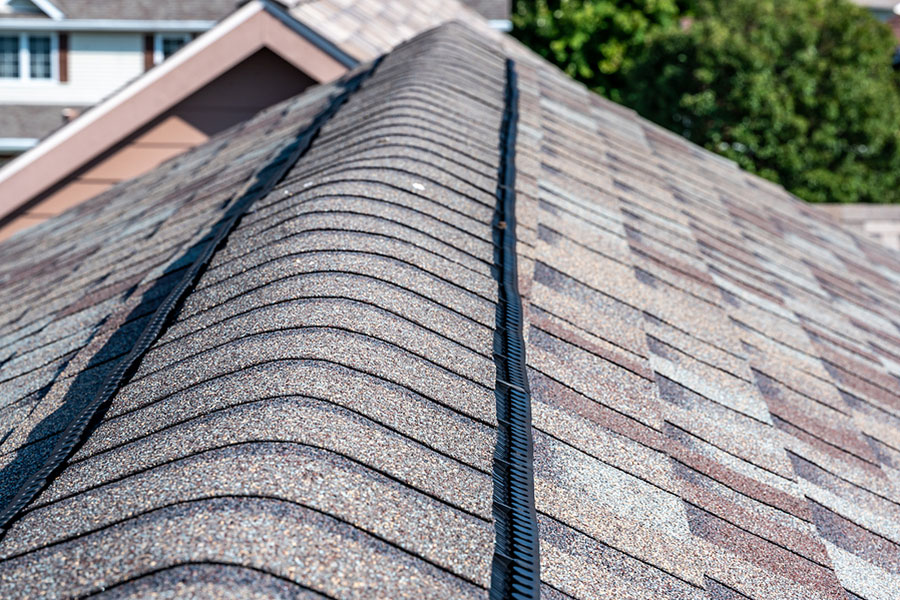
Proper attic ventilation plays a significant role in roof longevity. Without adequate airflow, heat and moisture can accumulate beneath the roofing system. This buildup can accelerate material breakdown and increase energy costs. An inspection evaluates whether ventilation pathways are functioning as intended.
Improved airflow supports temperature regulation and helps reduce strain on insulation. When these systems operate correctly, the home remains more comfortable throughout the year. Balanced ventilation also lowers the risk of condensation-related damage, which can be difficult to detect without professional assessment.
Small roofing concerns often develop into larger structural problems if left unaddressed. Routine evaluations provide clarity about the roof’s current condition and help prioritize maintenance needs. Homeowners gain insight into repair timelines and potential upgrades. This proactive approach reduces uncertainty and improves planning.
A consistent inspection schedule supports both safety and financial stability. By identifying issues early, homeowners can avoid emergency situations and unexpected expenses. To protect your home and ensure dependable roof performance, schedule your home roof inspection with ROOFWORKS today and contact ROOFWORKS to take the next step toward reliable roof protection.