

Proper gutter systems play a critical role in protecting a home’s roofing structure and overall foundation. When installed correctly, they direct rainwater away from vulnerable areas and reduce the risk of moisture-related damage. A well-planned gutter installation supports long-term performance, especially during heavy rainfall and seasonal storms. The following steps outline how to improve durability and system efficiency from the start.
Selecting Proper Sizing
Choosing the correct gutter size is one of the most important decisions in the installation process. According to This Old House, rain gutters come in a range of sizes, with 5-, 6-, and 7-inch widths most common in U.S. homes. The right size depends on roof surface area and local rainfall intensity. Proper sizing helps prevent overflow, reduces strain on fasteners, and supports consistent water flow during peak conditions.
Positioning and Sloping
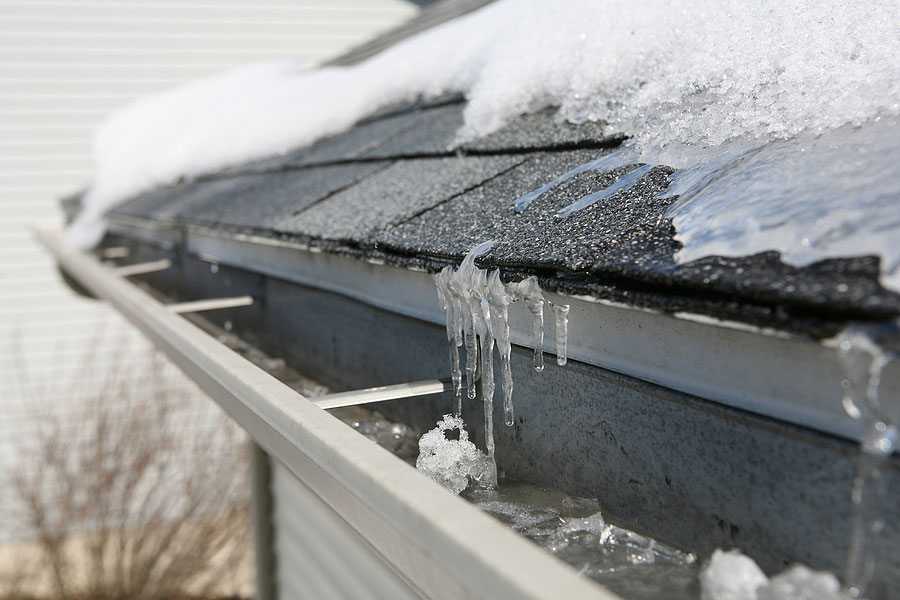
Accurate placement ensures that gutters effectively collect and direct water away from the roofline. Gutters should sit just beneath the roof edge to capture runoff efficiently. A gradual slope—typically about 1/4 inch for every 10 feet—allows gravity to move water toward the downspouts without pooling. This controlled angle reduces sagging, minimizes debris buildup, and improves overall system reliability.
Downspouts should also be strategically positioned to channel water well away from the foundation. Proper discharge points protect landscaping and help prevent soil erosion near the structure. When placement and slope work together, the system operates smoothly with less maintenance over time.
Securing and Fastening
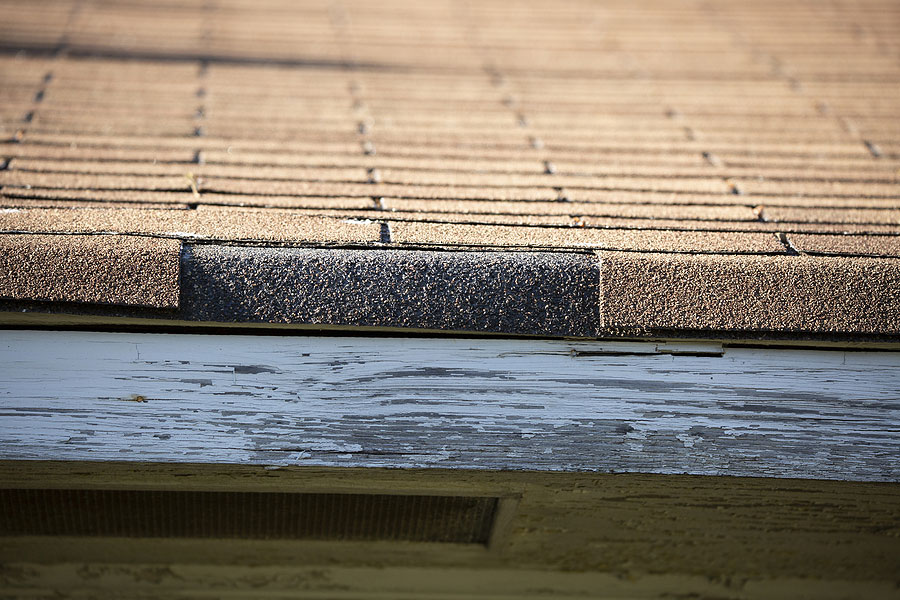
Strong fastening methods are essential for long-term performance. High-quality hangers and fasteners provide the support needed to handle the weight of water during heavy storms. Installing hangers at appropriate intervals prevents sagging and keeps the system firmly attached to the fascia board. Secure attachment also reduces the likelihood of detachment caused by wind, debris, or temperature fluctuations.
Spacing supports evenly ensures consistent strength along the entire gutter run. This reinforcement is especially important in regions that experience frequent precipitation. When gutters are properly secured, they maintain alignment and function more effectively over many years.
Long-lasting gutters depend on thoughtful planning, accurate sizing, proper slope, and secure fastening. Each step contributes to protecting the roof system and reducing the risk of water damage to the home’s exterior. When these elements are executed correctly, homeowners benefit from improved drainage performance and fewer maintenance concerns. For professional guidance and dependable results, contact ROOFWORKS today to schedule your gutter installation and protect your home with confidence.